
 By
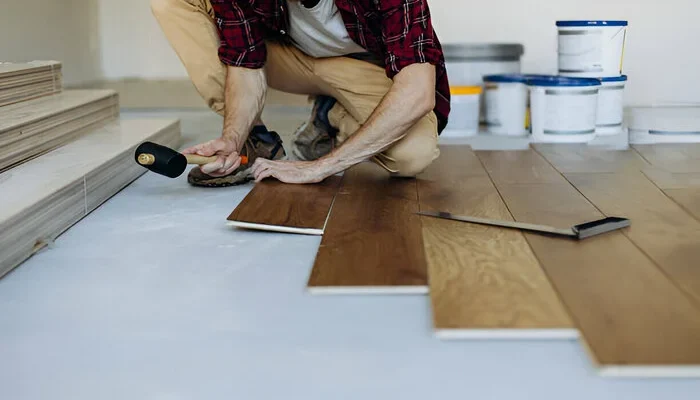
By As homeowners become more aware of their environmental impact, sustainable home renovations are steadily gaining popularity. One of the most effective ways to improve both the appearance and eco-friendliness of a home is by choosing environmentally responsible flooring materials. Sustainable flooring helps reduce waste, conserve natural resources, and improve indoor air quality. With several durable and stylish options available today, homeowners can make thoughtful choices without compromising on quality or design.
Why Choose Environmentally Friendly Flooring?
Eco-friendly flooring materials contribute to a healthier indoor environment by reducing exposure to harmful chemicals. Many conventional flooring products release volatile organic compounds (VOCs) over time, which can negatively affect air quality. Sustainable alternatives such as bamboo, cork, and reclaimed wood are generally low in VOCs and support better indoor living conditions.
In addition to health benefits, environmentally friendly flooring aligns with responsible manufacturing and resource conservation. Industry research and sustainability-focused publications highlight how green building materials play a role in reducing long-term environmental impact, as outlined in this guide on eco-conscious property development:
https://www.forbes.com/councils/forbesbusinesscouncil/2025/01/07/eco-friendly-properties-a-guide-to-sustainable-flooring-for-a-greener-future/
Reclaimed and Recycled Wood Flooring
Reclaimed and recycled wood flooring is a popular choice for homeowners who want sustainability paired with character and durability. These materials are sourced from old buildings, barns, and industrial structures, reducing the need for new timber harvesting and preventing usable wood from ending up in landfills.
Because reclaimed wood has already aged and adapted to environmental conditions, it is often stronger and more stable than newly milled lumber. Many suppliers specialize in carefully processed recycled floorboards that retain their natural textures and imperfections while meeting modern performance standards, such as those available through established reclaimed wood flooring providers:
https://wastewood.com.au/in-stock-flooring
By reusing existing materials, homeowners significantly reduce construction waste and support a circular economy.
Bamboo Flooring: A Rapidly Renewable Option
Bamboo flooring is widely recognized as one of the most renewable flooring options available. Unlike traditional hardwoods that may take decades to mature, bamboo reaches full growth in approximately five years, making it a highly sustainable resource.
Its natural resistance to moisture and strength make bamboo suitable for a variety of indoor spaces, including high-traffic areas. With multiple finishes and color variations available, bamboo flooring offers flexibility in design while maintaining its environmental advantages.
Cork Flooring: Comfort Meets Sustainability
Cork flooring combines sustainability with comfort and practicality. Harvested from the bark of cork oak trees, the material regenerates naturally without harming the tree, allowing repeated harvesting over time.
Cork provides excellent insulation and sound absorption, creating a quieter and warmer indoor environment. It is also resistant to mold, mildew, and pests, which reduces maintenance requirements. These qualities make cork flooring an appealing option for homeowners seeking a balance between environmental responsibility and everyday comfort.
Natural Stone Flooring: Durable and Timeless
Natural stone flooring remains a long-lasting and environmentally conscious choice for sustainable renovations. Materials such as slate, limestone, and travertine are sourced directly from the earth and require minimal chemical processing compared to synthetic flooring products.
Stone floors are exceptionally durable and can last for decades with proper care, reducing the need for replacement and conserving resources over time. Their thermal properties can also help regulate indoor temperatures, contributing to energy efficiency. Free from artificial coatings, natural stone supports healthier indoor environments while adding timeless elegance.
Final Thoughts
Sustainable flooring allows homeowners to renovate responsibly while maintaining durability and visual appeal. Options such as reclaimed wood, bamboo, cork, and natural stone help reduce environmental impact, improve indoor air quality, and support long-term resource conservation.
By making informed flooring choices and relying on credible information sources and established material suppliers, homeowners can create living spaces that reflect both modern design and environmental awareness. For more sustainability-focused home improvement insights, visit:
https://globallyinform.com/








Comments