
 By
By Understanding Scout Scopes
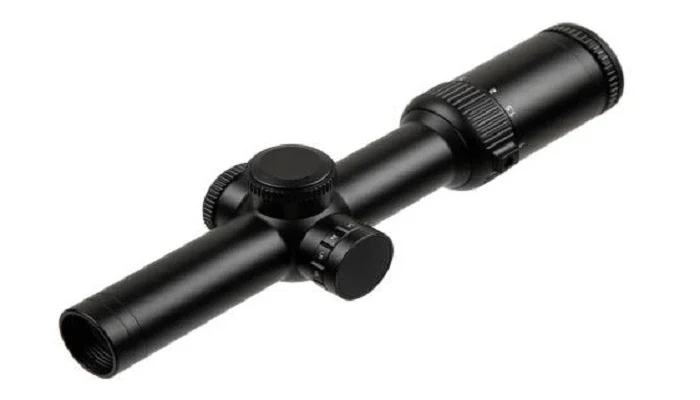
When it comes to improving accuracy and speed in the field, choosing the right optic is essential. A scout scope is specifically designed to be mounted forward on a rifle, typically ahead of the receiver. This configuration provides extended eye relief, faster target acquisition, and a wider field of view compared to traditional scopes.
Scout scopes are commonly used for hunting, tactical applications, and general-purpose shooting. Their forward-mounted design allows shooters to keep both eyes open, enhancing situational awareness while maintaining precision. This makes them particularly effective in dynamic environments where targets may move quickly or appear unexpectedly.
Unlike high-magnification optics built for long-range precision shooting, scout scopes prioritize balance, speed, and adaptability. Understanding these characteristics is the first step toward selecting the right model for your needs.
What Makes a Scout Scope Different?
Before choosing a scout scope, it’s important to understand how it differs from conventional rifle scopes.
1. Extended Eye Relief
Scout scopes typically offer long eye relief—often between 9 to 12 inches. This allows the optic to be mounted further forward on the rifle while still providing a full sight picture. Extended eye relief enhances comfort and reduces the risk of scope bite under recoil.
2. Forward Mounting Position
The forward position improves peripheral vision and allows quicker target transitions. This setup is particularly useful in hunting scenarios where rapid response is critical.
3. Lower Magnification Range
Scout scopes generally feature lower magnification ranges, often between 1x and 8x. Lower magnification ensures:
- Wider field of view
- Faster target acquisition
- Improved tracking of moving targets
- Better performance at short to mid-range distances
These features make scout scopes versatile and practical in real-world shooting environments.
Choosing the Right Magnification
One of the most important decisions when selecting a scout scope is choosing the appropriate magnification range.
Ideal Magnification for Different Uses
Hunting (Short to Mid-Range):
A 2x to 7x magnification range is often ideal. It provides sufficient zoom for ethical shot placement while maintaining a wide field of view.
Tactical or Defensive Use:
Lower magnification such as 1x to 4x allows for rapid engagement and improved awareness.
General Range Shooting:
A variable magnification scope (e.g., 2x to 8x) offers flexibility for different distances.
It’s a common misconception that higher magnification always results in better performance. In reality, excessive magnification can narrow your field of view and slow down target acquisition. For scout scopes, balance is far more important than extreme zoom capability.
Lens Quality and Optical Clarity
The quality of the glass plays a critical role in overall shooting performance. Even the best magnification range cannot compensate for poor optical clarity.
What to Look For
- Fully multi-coated lenses for improved light transmission
- Anti-reflective coatings to reduce glare
- Clear edge-to-edge image quality
- Strong low-light performance
For example, models like the Burris Scout Scope Canada illustrate how extended eye relief and coated optics are combined in a compact design built for field use. When evaluating any scope, reviewing manufacturer specifications and optical performance details can help determine whether it meets your specific requirements.
High-quality optics allow shooters to identify targets more clearly, especially during dawn or dusk when lighting conditions are less than ideal. Good glass improves contrast, sharpness, and overall visibility.
Durability and Build Quality
A scout scope must withstand harsh outdoor environments. Whether you are hunting in wet conditions or shooting in dusty terrain, durability is essential.
Key Durability Features
- Aircraft-grade aluminum construction
- Waterproof sealing (O-ring sealed)
- Fog-proof nitrogen or argon purging
- Shock resistance
These features ensure consistent performance regardless of weather or environmental conditions. A durable build also protects internal components from recoil-related stress, preserving long-term reliability.
Reticle Selection Matters
Your aiming reference is the reticle, and accuracy can be greatly affected by the reticle you choose.
Popular Reticle Types
Duplex Reticle:
Simple and clean, ideal for general hunting.
BDC (Bullet Drop Compensator):
Designed to help make up for the fact that bullets fall differently at different distances.
Illuminated Reticle:
Useful in low-light conditions for better target visibility.
For most scout scope applications, a simple duplex or lightweight BDC reticle works well. Overly complex reticles may slow down target acquisition, which contradicts the core purpose of a scout setup.
Proper Mounting and Alignment
Even the best scout scope will underperform if it is not mounted correctly. Proper installation ensures consistent accuracy and a comfortable shooting experience.
Mounting Best Practices
- Use high-quality forward-mount bases
- Ensure proper torque settings on screws
- Maintain correct eye relief distance
- Confirm level alignment of the reticle
After mounting, always test and zero your scope at the appropriate distance. Re-check mounting screws periodically to prevent shifting due to recoil.
Scout Scope vs Traditional Scope
Understanding the differences can help you decide if a scout scope is right for your needs.
| Feature | Scout Scope | Traditional Scope |
| Mounting Position | Forward-mounted | Receiver-mounted |
| Eye Relief | Long | Standard |
| Field of View | Wider | Narrower |
| Best Use | Short to mid-range | Mid to long-range |
| Speed | Faster acquisition | Precision-focused |
If your priority is rapid engagement and versatility, a scout scope is an excellent choice. If long-range precision shooting is your primary focus, a traditional optic may be more appropriate.
Common Mistakes When Choosing a Scout Scope
Many shooters make avoidable errors during selection.
Choosing Too Much Magnification
Excessive zoom can limit awareness and slow target tracking.
Ignoring Eye Relief Specifications
Not all scopes labeled as “scout” offer true extended eye relief.
Overlooking Build Quality
Budget options without proper sealing may fail in challenging conditions.
Neglecting Intended Use
Always match the optic to your specific shooting environment.
Carefully assessing your shooting style and typical engagement distances will lead to a more informed decision.
Maintenance and Care Tips
Regular maintenance extends the lifespan of your scout scope and ensures consistent performance.
Cleaning Tips
- Use microfiber lens cloths
- Apply optics-safe cleaning solutions
- Avoid household glass cleaners
- Store in a dry environment
Additionally, inspect mounting hardware periodically and confirm zero alignment after extended use.
Real-World Applications of Scout Scopes
Scout scopes excel in environments that demand speed and adaptability. Hunters appreciate the ability to track moving game quickly. Recreational shooters benefit from the balance between accuracy and responsiveness.
Because of their versatility, scout scopes are commonly used for:
- Brush hunting
- Deer or hog hunting
- Practical shooting competitions
- General-purpose rifles
Their design allows smooth transitions between different shooting conditions without requiring major adjustments.
Conclusion
Selecting the right scout scope involves balancing magnification, clarity, durability, and practical functionality. Unlike traditional optics built for long-distance precision, scout scopes emphasize speed, situational awareness, and adaptability.
By understanding extended eye relief, choosing appropriate magnification, prioritizing quality optics, and ensuring proper mounting, you can significantly improve your shooting experience. Whether for hunting or recreational range use, a well-chosen scout scope becomes more than an accessory—it becomes a vital component of consistent and confident performance.
Pedrovazpaulo Executive Coaching: Unlocking Potential with Its Power









Comments