
 By
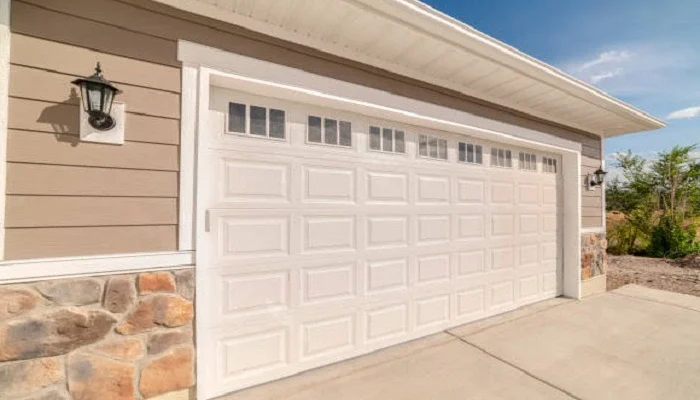
By Garage doors are essential components of modern homes, providing security, convenience, and controlled access. When a garage door malfunctions, it can disrupt daily routines, create safety concerns, and reduce home security. Understanding common garage door problems and knowing how to respond appropriately can help homeowners make informed decisions, reduce stress, and prevent minor issues from turning into costly repairs.
For example, when issues become urgent or affect safety, many homeowners find it valuable to consider services like emergency garage door repair that are offered by professionals who specialize in immediate response and complex mechanical systems (see garagedoorchicago.com/emergency-garage-door-repair/).
Why Garage Door Problems Occur
Residential garage door systems are composed of multiple mechanical and electrical components that must work together smoothly. Over time, wear and tear, environmental exposure, lack of maintenance, or improper use can cause parts to fail or fall out of alignment.
Common contributing factors include:
- Aging mechanical components
- Dust, debris, or track obstructions
- Electrical interruptions
- Seasonal temperature changes affecting metal parts
Recognizing these factors helps homeowners approach troubleshooting with realistic expectations and safety in mind.
Understanding Basic Garage Door Mechanics
A standard garage door system typically includes:
- Tracks: Metal parts that help the door move up and down smoothly
- Springs: Torsion or extension springs that balance out the door’s weight
- Rollers: Wheels that help the door glide along the tracks
- Opener: A motorized device that automates opening and closing
- Safety sensors: Photo-eye sensors that prevent the door from closing on people or objects
When any one of these components is damaged, misaligned, or worn, the entire system can be affected. Understanding how these parts function together makes it easier to identify potential issues.
Common Garage Door Problems and Their Causes
1. Garage Door Will Not Open or Close
One of the most common issues that homeowners have is this. Possible causes include:
- Power supply interruptions
- Disconnected or faulty opener
- Misaligned or blocked safety sensors
- Broken springs or cables
Before assuming a major failure, check whether the opener is receiving power and ensure that the safety sensors are clean and properly aligned.
2. Excessive Noise During Operation
Unusual grinding, squeaking, or rattling sounds often indicate:
- Worn rollers
- Loose hardware
- Lack of lubrication
While some noise is normal, sudden or increasing sounds usually signal maintenance is needed. If you ignore these sounds, your machine could get more damaged.
3. Slow or Uneven Door Movement
If a garage door moves slower than usual or appears uneven while opening or closing, the cause may be:
- Motor components nearing the end of life
- Improper spring tension
- Track misalignment
Slow response times may also indicate wear or fatigue within the system that warrants inspection.
4. Door Reverses Before Fully Closing
Modern garage doors are designed to reverse automatically when they detect an obstruction. If the door reverses without an obvious blockage, it may be due to:
- Dirty or misaligned sensors
- Sensitivity settings on the opener
- Track obstructions
This safety feature is important, and repeated problems should not be ignored.
Safe DIY Troubleshooting for Minor Issues
Some common garage door issues can be addressed through basic maintenance and inspection. Homeowners can safely perform the following tasks:
- Tighten visible bolts and brackets
- Clean tracks to remove dust or debris
- Apply manufacturer-recommended lubricant to moving parts
- Test safety sensors to ensure proper alignment
- Check batteries and settings in remote controls
These routine steps can improve performance and help prevent premature component failure.
When to Seek Professional Assistance
Not all garage door issues are suitable for DIY repair. Certain components, particularly springs and high-tension cables, pose serious safety risks if handled incorrectly. Attempting to repair these without proper training can result in injury or property damage.
Professional technicians have the training, tools, and safety knowledge required to:
- Replace broken or stretched springs
- Repair opener motors and electrical components
- Correct complex alignment issues
- Perform thorough system inspections
When problems exceed basic maintenance or involve high-risk components, professional evaluation is always the safest option.
Preventive Maintenance for Long-Term Reliability
Consistent maintenance is the most effective way to extend the lifespan of a garage door system. Homeowners should consider:
- Inspecting hardware every few months
- Testing door balance manually
- Cleaning photo-eye sensors
- Scheduling periodic professional inspections
Preventive maintenance reduces unexpected breakdowns and improves overall system reliability.
Research and Safety in Home Systems
Understanding mechanical systems, like those in garage doors, also aligns with broader principles of safe design and operation. While practical experience helps a homeowner with basic issues, complex mechanical systems should be understood according to current scientific and engineering research. For example, recent studies highlight how structured maintenance and understanding equipment behavior can improve the safety and performance of mechanical systems (see nature.com/articles/s41598-024-53404-6).
Final Thoughts
A properly functioning garage door contributes significantly to home safety, convenience, and everyday efficiency. By learning how common malfunctions occur and addressing minor issues early, homeowners can reduce downtime and avoid unnecessary repair costs. When problems are beyond basic troubleshooting, or when repair involves high-risk components, consulting a trained professional ensures repairs are completed safely and correctly.
For additional information and home improvement topics, you can also explore resources available on the main informational site (such as globallyinform.com).






Comments